Textile Guide · Bath Linen
Choosing a Bathrobe for Comfort, Coverage, and Easy Care
A good bathrobe has a deceptively big job. It should feel comfortable against damp skin, provide the right amount of warmth and coverage, and fit easily into the rhythm of everyday life. Whether you reach for yours after a shower or pull it on over pajamas on a chilly morning, the best choice comes down to more than softness alone.
Fabric, weave, weight, cut, and care instructions all shape how a robe performs. A thick cotton terry robe may feel wonderfully cozy after bathing, while a lightweight linen or waffle style can be easier to wear in warm weather and simpler to dry. Before settling on one, think about when you will use it, how much coverage you like, and how willing you are to give it space and time to dry.
Start with the moment you want it for
The simplest way to narrow down bathrobe options is to picture the routine the robe needs to serve. Is it the first thing you put on after stepping out of the bath? A comfortable layer for getting ready in the morning? Something to wear over sleepwear while making coffee? One robe can do all of these things, but some fabrics and shapes are better suited to particular uses.
For after-bath comfort, prioritize a fabric that feels pleasant against damp skin and can take regular washing. Terry cloth, with its looped surface, is designed to hold moisture and can provide a towel-like feel. If you want a robe mainly for lounging or for moving around a warm home, a lighter fabric may feel less cumbersome. A robe that is comfortable over pajamas may not need the same absorbency as one intended to replace a towel while you get dressed.
Climate matters, too. In a warm, humid bathroom, a thick robe may feel too heavy and take longer to dry between uses. In a cool home, the extra substance of a denser cotton robe may be part of the appeal. If your needs change with the seasons, a lighter robe can work well year-round with sleepwear underneath, while a warmer one can become a welcome winter layer.
It helps to distinguish absorbency from warmth. A robe can feel thick without being especially effective at drying, and a lighter woven fabric can feel comfortable while still taking up moisture. Construction and fiber both contribute, so avoid relying on weight alone when deciding what will work best for your routine.
Know what different fabrics bring
Fabric is one of the most noticeable parts of a bathrobe: it affects how the robe feels, how much moisture it takes up, how warm it is, and how quickly it dries. There is no universal best bathrobe fabric. The right one is the material whose strengths match the way you plan to wear and wash it.
Cotton terry: familiar, absorbent, and cozy
Cotton terry has loops that create a soft, textured surface. Those loops give the fabric room to hold moisture, making terry a natural choice for people who want a robe for after bathing. It often has the enveloping feel many people associate with a hotel or spa robe. The trade-off is that plush terry can be bulky, and a thick garment may need more time and space to dry than a lighter robe.
Look at the robe’s overall construction as well as its fiber content. A terry robe with substantial loops may feel different from a lighter version, even if both are made from cotton. Seams, hems, collar shape, and the finish around cuffs also influence comfort and durability. When possible, check care instructions before choosing a robe with a very plush hand; its everyday upkeep should feel realistic, not like a special project.
Waffle and textured weaves: lighter on the body
Waffle robes have a raised, grid-like texture and are often less bulky than thick terry styles. Their open structure can make them feel airy and help them dry more readily, depending on the fiber, fabric weight, and conditions at home. They can suit warm bathrooms, travel, or anyone who prefers a robe that does not feel like a heavy blanket.
Texture is personal. A waffle surface feels different from a smooth woven fabric or a deep pile, and the robe’s overall weight can vary considerably. Consider how it feels against your skin and whether you like the way it drapes. If you want a robe mainly for warmth, a very light waffle style may not offer the enveloping feeling you are looking for.
Linen and linen blends: breathable and relaxed
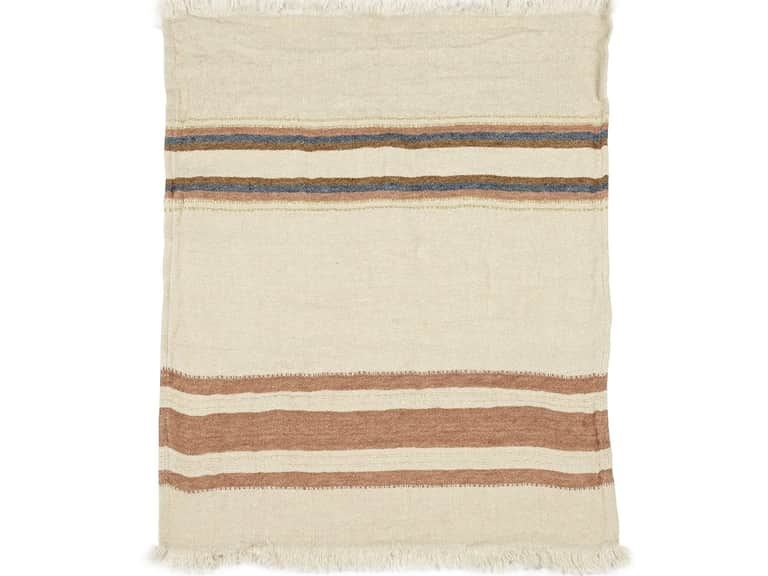
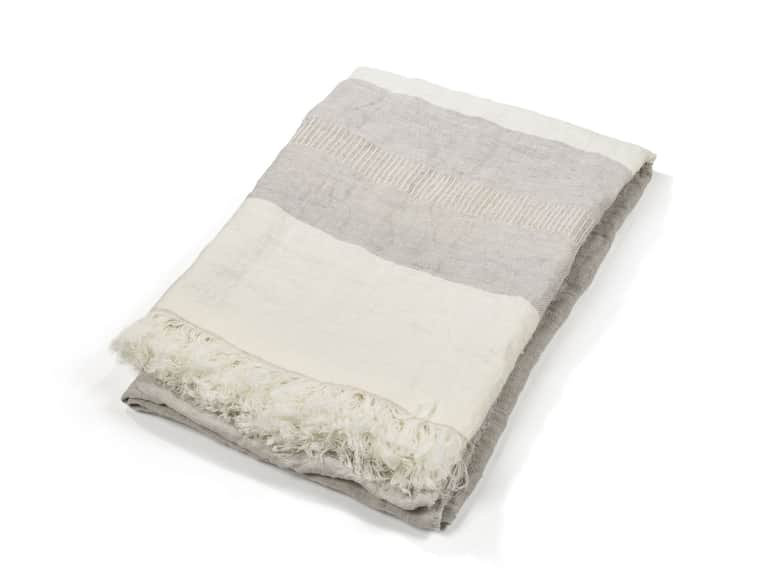
Linen is valued for its breathable feel and natural texture. Depending on how it is woven and finished, it can be a comfortable choice for warm weather or for people who prefer a less plush layer. Linen-cotton blends combine fibers with different characteristics, which can create a balance between texture, absorbency, softness, and drying time. The precise feel varies by construction, so the label’s fiber information is only one part of the picture.
Linen may develop a softer, more relaxed character through use and laundering, but it does not necessarily feel like terry cloth or function as a direct replacement for a bath towel. If your main priority is drying off quickly, consider whether you want to towel dry first and use the robe afterward. That small change can make a lighter robe much more comfortable.
Other blends and smooth fabrics
Some robes use blended fibers or smooth woven fabrics to create a lighter drape or a softer surface. These may work especially well as lounge or getting-ready robes, although their absorbency can differ from that of terry. Read the garment label and product description carefully, and treat broad claims such as “soft,” “quick-drying,” or “luxurious” as a starting point rather than a full explanation of performance.
When comparing materials, ask what matters most: a towel-like feel, breathability, low bulk, warmth, or easy laundering. A robe cannot maximize every quality at once. Knowing your top two or three priorities makes the decision much clearer.
Understand weight and construction
Fabric weight can offer clues about how substantial a robe may feel, but it is not a complete measure of quality or comfort. A heavier garment may feel warmer and more enveloping; it may also be slower to dry and harder to pack. A lighter robe can be easier to move in and store, but may provide less warmth or coverage. The same number on a label can also feel different depending on the weave, fiber, and cut.
Construction details deserve attention. Check whether seams feel secure, whether the belt loops are positioned at a useful height, and whether cuffs and hems appear finished to withstand regular wear. A robe that is comfortable when standing should also allow easy movement when sitting, reaching, or bending. If you will use it around the house for long stretches, mobility is just as important as the initial impression of softness.
Consider the collar and front closure, too. A shawl collar can add a cozy, wrapped feeling around the neck, while a simpler neckline may feel less warm and bulky. A belt gives adjustable coverage, but it should be long enough to tie comfortably and secure enough to stay in place. Some robes include an internal tie or additional fastening; these features can help keep the front closed, especially when moving around.
Pockets may seem like a small detail until you use them. Deep pockets can hold a phone, tissues, or other small essentials, while shallow pockets may be more decorative than practical. Their placement affects comfort: pockets that sit too low or pull awkwardly can change how a robe hangs. Look for reinforced pocket edges if the garment is likely to be used frequently.
Choose a cut that gives you comfortable coverage
Robe sizing is about more than matching a clothing size. A robe needs enough room to wrap across the body, stay closed when belted, and allow comfortable movement. Check the size chart for garment measurements where available, especially chest width, length, sleeve length, and overall fit. If you are between sizes, think about whether you prefer a closer fit or extra room for pajamas underneath.
Length influences both coverage and convenience. A shorter robe can feel lighter and easier to move in, particularly in warm weather or in a small bathroom. A longer robe offers more leg coverage and can feel warmer, though it may brush against damp floors or feel restrictive when walking. Choose a length that suits your height and how you expect to wear it rather than assuming that longer is always better.
Sleeves are worth checking closely. A full-length sleeve can add warmth, while a shorter sleeve may keep the garment out of the way during grooming or household tasks. Very wide sleeves can feel relaxed but may dip into sinks or catch on objects. A cuff that sits comfortably at the wrist can keep fabric from shifting without feeling tight.
Coverage depends on the overlap of the front panels as well as the belt. If you prefer a secure wrap, look for a cut with enough fabric to overlap comfortably when tied. The belt should sit where it naturally holds the robe closed; if it rides up or slips down, the fit may be frustrating even when the robe otherwise feels right. A quick movement test—raising your arms, sitting down, and taking a few steps—can reveal problems that are easy to miss while standing still.
Think about who will use the robe and where it will be worn. A robe for quiet mornings at home may have different priorities from one taken to a pool, spa, or shared changing area. For travel, lighter weight and compact packing may matter more than plushness. For regular use after bathing, absorbency and drying space may be the bigger considerations.
Make care part of the decision
The most comfortable robe is only a practical choice if you can care for it easily. Start with the care label. It provides the garment-specific guidance that should take precedence over general advice, because fiber blends, dyes, finishes, and construction can all affect the right washing method.
Before washing, secure the belt if the care instructions allow, empty the pockets, and close any fasteners. Wash similar colors together, and avoid packing the machine so tightly that the fabric cannot move freely. Too many garments in one load can limit rinsing and make drying less even. Use a detergent appropriate for the fabric and follow its directions rather than assuming that extra product will produce a cleaner result.
Fabric softener can affect how some absorbent textiles perform, so use it cautiously and follow the garment’s care guidance. If a robe seems less absorbent over time, residue from laundry products or an overfilled wash can be one possible factor. A thorough rinse and a less crowded load may help; avoid aggressive treatments unless the label recommends them.
Drying habits matter as much as washing. A dense robe may need more time to dry fully, especially around the collar, belt, cuffs, and pockets. Give it room to air between uses instead of leaving it bunched on a hook. If using a dryer, follow the garment label and avoid excessive heat, which can stress fibers or affect fit. Line drying can be a gentle option where space and conditions allow, but make sure the robe is supported so its weight does not pull it out of shape.
Do not put a robe away while it is still damp. Thorough drying helps prevent stale odors and keeps the garment more pleasant to wear. If your bathroom is humid, hanging the robe in a better-ventilated room between uses can make a noticeable difference. This is especially helpful with heavier materials that hold more moisture.
For long-term storage, clean and completely dry the robe first. Store it in a dry place with enough room to avoid crushing the pile or leaving it in a damp closet. If you rotate between a warm-weather robe and a heavier winter one, check both before the season changes so they are fresh and ready to wear.
A quick checklist before you choose
When you are comparing options, a few practical questions can help separate a robe that merely looks appealing from one that fits your routine:
- When will I wear it? Decide whether the main job is drying after a bath, lounging, getting ready, or keeping warm.
- What feel do I prefer? Think about terry loops, a textured weave, a smoother surface, or a lighter drape.
- How much warmth do I need? Match fabric weight and coverage to your home, climate, and season.
- Will it wrap securely? Check the garment measurements, overlap, belt placement, and size chart.
- Can I move comfortably? Consider sleeve length, robe length, and whether the cut allows easy movement.
- Are the details useful? Look at pocket depth, belt loops, cuffs, seams, and closure features.
- Can I care for it easily? Read the washing and drying instructions and make sure they suit your laundry routine.
- Where will it dry? Consider the robe’s bulk and the ventilation available between uses.
These questions are especially useful when shopping online, where touch is not possible. Look for clear fabric information, garment measurements, and specific care directions. If a description focuses only on softness or appearance, it may not provide enough detail to judge how the robe will perform in daily use.
Common bathrobe mistakes to avoid
One common mistake is buying solely by feel in a showroom or by a product’s description of plushness. A robe can feel wonderfully soft at first and still be too warm, too heavy, or inconvenient to launder for your household. Imagine carrying it from the bathroom, hanging it up, washing it, and drying it—not just putting it on once.
Another is assuming every robe is intended to dry the body. Some are designed primarily as comfortable cover-ups, while others use absorbent construction more like a towel. If you want the robe to take the place of a towel, check its fabric and construction carefully. If it is a lighter lounge style, towel drying first may be the more comfortable routine.
It is also easy to overlook fit when focusing on fabric. A robe that is too short, too tight across the shoulders, or difficult to secure may spend more time on its hook than on you. Check the measurements and consider how much room you want for movement and layering. A good fit should feel secure without making the garment difficult to wrap or adjust.
Finally, do not ignore the care label. A robe that needs more attention than you can realistically give it may not be the best everyday choice, even if its fabric feels appealing. Low-fuss laundering and a sensible drying routine are part of long-term comfort.
The best robe is the one that fits your routine
Choosing a bathrobe is a small decision with a surprisingly personal payoff. The right one makes the pause after a shower feel more comfortable, keeps you covered while you get ready, or adds a soft layer to a slow morning. That feeling comes from the whole garment: the fabric against your skin, the way it wraps, the ease of its sleeves, and how well it fits into your laundry routine.
Start with the job you need the robe to do, then compare material, construction, weight, and cut. Choose a more absorbent, towel-like style if drying is central to its purpose; consider a lighter or more breathable option for lounging and warmer conditions. Check fit details such as length, sleeve shape, pockets, and belt placement, and make care instructions part of the decision rather than an afterthought.
Once you have matched those details to your everyday habits, the choice becomes less about finding the most impressive robe and more about finding the one you will actually enjoy wearing. Comfort is not one-size-fits-all. It is the satisfying combination of enough coverage, the right feel, and care that is easy to keep up with.