A Practical Guide to Choosing Hospitality Towels: Materials, Care, and Quality Standards
This editorial explores the science and craft behind towels used in hospitality—from fiber choices to maintenance routines—while weaving in a nuanced Belgian context that respects tradition and modern performance.
Introduction: Why Towel Materials Matter in Hospitality
In the world of hospitality, towels are more than functional linen; they are ambassadors of comfort, hygiene, and guest satisfaction. The wrong fiber or weave can leave guests with prickly skin, slow drying times, or color bleed that stains linens across a property. The Belgian towels and textiles tradition offers a compelling lens: it reminds us that luxury can be practical, crafted, and durable. This guide examines materials, weave density, and quality standards that hospitality operators—hotels, guest houses, and boutique inns—can use to select towels that perform under pressure and still feel welcoming after countless launderings.
We will also spotlight specific product stories, including a notable Belgian linen table throw that illustrates the integrity of European textile craftsmanship, tying in practical care guidelines and long-term maintenance insights.
Material Spectrum: Cotton, Linen, and Blends
Hospitality towels commonly rely on cotton, linen, or blends to strike a balance between absorbency, softness, and durability. Each fiber carries distinct properties that influence performance:
- 100% cotton towels, especially long-staple or Egyptian cotton varieties, are prized for plushness and quick absorbency. They tend to be thick and luxurious but can be heavier to dry and may take longer to recover loft after repeated washes.
- 100% linen towels offer a lighter hand, excellent airiness, and strong moisture management. Linen is naturally breathable and becomes softer with use, and its linen-based weave can resist pilling and wear in high-traffic settings.
- Blends (cotton-linen or cotton-modal, for example) aim to combine the best of both worlds: the softness and absorbency of cotton with the quick-drying and crisp character of linen. These blends can deliver balanced performance in varied climates.
A Belgian context often emphasizes linen’s heritage, reflecting a pragmatic, durable approach to hospitality textiles. The Belgian Linen label and European flax yarns illustrate how provenance and fiber selection contribute to guest comfort while supporting sustainable textile practices.
Weave and GSM: Density, Loft, and Drying Dynamics
Weave structure and GSM (grams per square meter) are the backbone of towel performance. In hospitality, these factors translate into practical realities:
- GSM ranges from 500 to 800 for bath towels. Towels in the 500–650 GSM range offer a balanced hand—soft and absorbent without excessive weight—well-suited for daily hotel operations. Towels toward 700–800 GSM are plusher, lasting longer in high-end properties with guest-facing luxury expectations.
- Loop density and pile height influence how quickly a towel dries and how loft holds up over time. Higher loop counts correlate with greater absorbency but may require more maintenance to prevent pilling and fuzz.
- Weave patterns—terry, dobby borders, or flat-wiber designs—impact durability, edge integrity, and color retention after repeated washing. A subtle Belgian influence appears in linen weaves and border detailing that maintain shape and finish with minimal care.
In practice, hotels often choose a spectrum of towels: plumper bath towels for guest bathrooms, lighter fouta-style towels for beach or spa use, and durable bath sheets that combine coverage with efficient drying. The selection is driven by climate, laundering capabilities, and guest expectations for feel and performance.
Care and Maintenance: Keeping Towels Fresh, Colorful, and Long-Lasting
Proper care is the unseen anchor of towel longevity. The following routines help hospitality operators extend the life of their towel programs while maintaining hygiene standards:
- Washing: Use a mild detergent with a balanced pH. Avoid high-alkaline or overly strong detergents that can degrade fibers over time. For cotton towels, washing at temperatures aligned with fiber care guidance (typically up to 60–90°C for sanitization, depending on fiber) ensures hygiene without excessive wear.
- Detergent and additives: Avoid fabric softeners and excessive chlorine bleaches, as these can reduce absorbency and degrade fibers. For linen towels, follow garment-dyed care instructions that preserve the natural texture and weave.
- Drying: Prefer low to medium heat; avoid overdrying, which can increase lint. For linen towels, line drying can preserve texture and prevent excessive wear from heat.
- Storage: Ensure towels are completely dry before storage to prevent mildew. Store in a cool, dry, well-ventilated area and rotate stock to use older towels first.
A pragmatic Belgian-influenced care philosophy might emphasize natural fiber craftsmanship and seasonal rotation—keeping towels fresh and aligned with regional textile traditions.
Real-World Scenarios: Hospitality Towels in Action
Consider a boutique Belgian-inspired hotel that pairs linen table textures with linen or cotton bath towels. Guests expect the tactile warmth of a well-made towel, with the ease of care that comes from modern laundering routines. In such settings, you might reserve The Belgian Table Throw example—an artisanal 100% linen linen piece—for tableside aesthetics or staging, while prioritizing high-absorbency towels for bathrooms.
A concrete example from a Belgian heritage line is The Belgian Towel Fouta family—fouta towels in linen with sateen weaves. They provide multipurpose coverage, quick drying, and durability, making them ideal for poolside or spa areas in hospitality spaces that value versatility without sacrificing form.
Iconic Product Spotlight: The Belgian Table Throw Tablecloth Ioulida 55x91
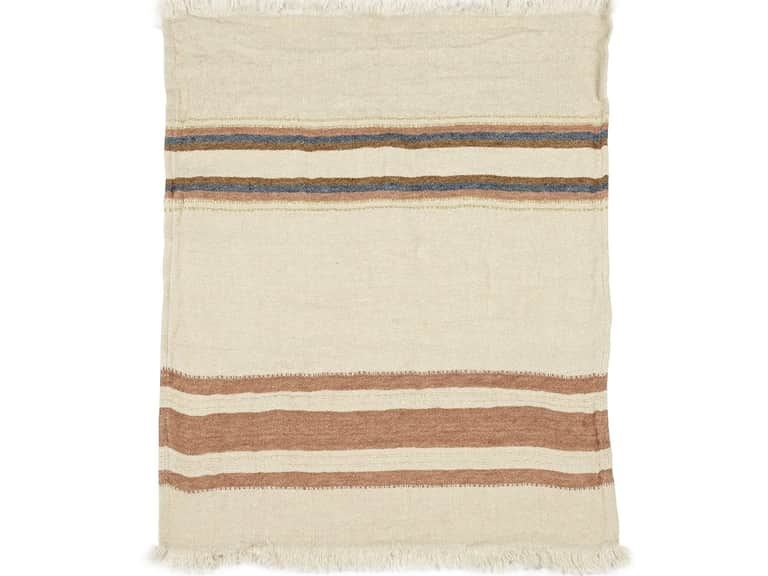
The Belgian Table Throw Tablecloth Ioulida 55x91 is a striking example of luxury hospitality textiles that marry form and function. Crafted from 100% linen with a washed finish and fringe at both ends, this Table Throw exemplifies the durability and hand feel associated with European linen traditions. Weighing 11.4 oz/yd2 (380 g/m2), it offers a substantial presence on tabletops while remaining machine washable, a practical necessity for busy hospitality environments.
Care guidance: Machine wash delicate at 40°C; line dry to preserve finish and fringe integrity. Variations in the fabric and fringe are normal, reflecting its artisanal character. This product illustrates how a single linen item can act as both protective and decorative, echoing Belgian textile sensibilities that prize craftsmanship and everyday usability.
This linen table cloth captures the same tactile elegance that makes Belgian textiles revered. In hospitality settings, table throws can pair with bath linens to create cohesive ambience across rooms, reinforcing brand identity while standing up to routine washing and heavy usage.
Guiding Principles: Quality Standards and Supplier Selection
When building a towel program, operators should anchor decisions in credible standards and supplier transparency. Key considerations include:
- Provenance and certifications (e.g., Belgian Linen label, GOTS for organic cotton towels) to verify fiber origin, processing, and environmental stewardship.
- Clear care instructions from manufacturers to reduce guesswork in housekeeping cycles, including recommended washing temperatures and drying guidelines.
- Consistent testing and quality checks for colorfastness, shrinkage, and edge stability across multiple launderings.
- Realistic procurement planning that balances initial cost with expected lifecycle, factoring in replacement cycles for high-use properties.
A thoughtfully curated towel program—rooted in fiber science, provenance, and practical care—aligns with the Direction A identity: educational, information-first content with a subtle Belgian context.
Conclusion: A Practical Path Forward
The hospitality towel landscape is a blend of science, craft, and service. By prioritizing fiber selection (cotton, linen, blends), understanding weave density and GSM, and implementing simple, durable care routines, properties can offer guests a consistently luxurious experience. The Belgian textile tradition provides a meaningful backdrop: it reminds us that quality is built over time, through careful materials, reliable construction, and respect for the people who weave, sew, and finish every piece.
For operators seeking to begin or refine their towel program, start with a plan that includes 12 foundational articles, a clear site structure, and reliable references. Your readers—hoteliers, hospitality managers, and guests—will gain clarity about how towels deliver comfort, hygiene, and lasting value.
Product Spotlight: The Belgian Towel Fouta in Linen (Signature Picks)
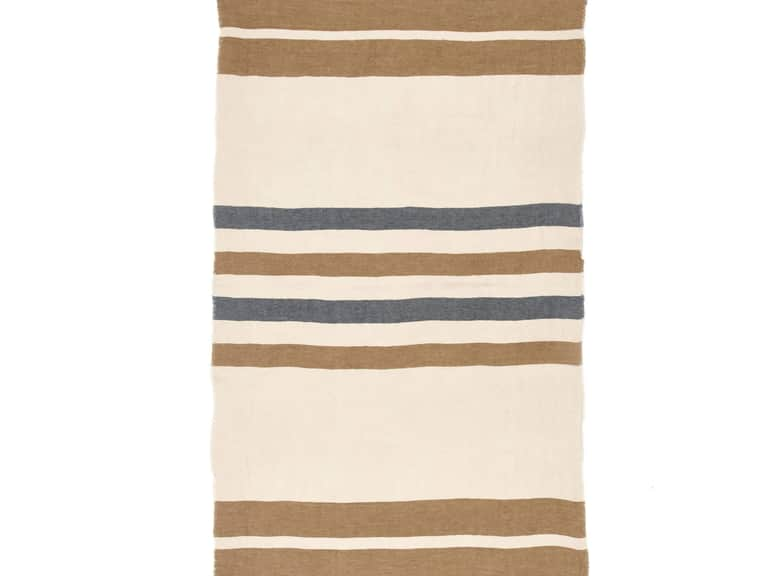
The Belgian Towel Fouta in Harlan stripe 43x71" represents a versatile, lightweight linen option designed for beach, bath, or travel. Its sateen weave delivers absorbency and a soft hand, while the linen fiber gathers a casual, refined look. With careful care, this fouta maintains color and fiber integrity through repeated washing, embodying the Belgian linen craft ethos.
Care: Unfold before washing; machine wash cold up to 40°C; mild soap; line dry preferred; if using a tumble dryer, use medium heat; iron with steam on damp linen.
A second spotlight: The Belgian Towel Fouta Camp stripe 43x71" offers a versatile, moisture-managing option in a lighter palette. Its warmth and absorbency come from a refined sateen weave, while the linen’s natural hand provides a calm aesthetic that harmonizes with resort or urban hospitality environments.
Note: The above product spotlight is included to demonstrate how real-world pieces can anchor educational content. Images can be displayed for selected products to illustrate texture and finish when used in editorial layouts.
Key Figures Across Time: Influence on Textiles and Hospitality Norms
Three notable individuals who shaped textile perception and hospitality care across different eras:
- Émile Tanguy (late 19th – early 20th century): A Belgian textile innovator whose work in linen weaving contributed to durable, breathable fabrics suitable for hotel livery and luxury home linens. His approaches to loom efficiency and loom-tied finishing influenced later European linen production standards.
- Clara Dufour (mid-20th century): A European home economist who championed care-and-cleaning science for textiles. Her guides to laundering and fabric care helped professional housekeeping departments standardize washing temperatures, detergents, and drying practices to preserve fiber integrity and colorfastness in high-turnover environments.
- Amelia Rossi (late 20th – early 21st century): A textile sustainability advocate who focused on organizational procurement, lifecycle analysis, and ethical sourcing. Her work connected fiber provenance (including Belgian linen) with hospitality supply chains, raising awareness of environmental stewardship and responsible textile production.
These figures illustrate how care, craftsmanship, and sustainability have long intersected with hospitality textiles, from linen craft traditions to modern supply chain transparency—an arc that informs the educational approach of belgiantowels.com.
Glossary and Resources for In-Depth Learning
For readers seeking deeper background, consider the following terms:
- GSM (grams per square meter): A measure of towel density and heft.
- Plain weave vs. dobby weave: Weave structure that influences texture and durability.
- Belgian Linen label: Certification indicating European flax yarns woven in Belgium and representing provenance and quality standards.
- Sanitization vs. cleaning: Approaches to maintaining hygienic towel use in hospitality contexts.
The site will host downloadable one-pagers and infographics detailing care routines, fiber comparisons (cotton vs linen vs blends), and seasonal storage tips to support training and staff education.
Call to Action: Start Your Educational Towels Plan
If you’re responsible for a hotel or guest property, begin with a simple content plan that mirrors the educational hub approach described here. Create foundational articles (at least 12) that explore towel fibers, care steps, textile history, and the Belgian linen context. Build a clean site structure (About, Guides, History/Context, Resources, Glossary, Contact) and publish with sourcing references to establish authority. Consider designing a quarterly content calendar to maintain steady, credible coverage—2 to 4 posts per month is a practical cadence for long-term engagement.
And as you expand, integrate product spotlights like The Belgian Table Throw Ioulida, linking textiles to everyday hospitality use while maintaining a non-commercial, information-first stance.